

Restaurant schema markup is one of the few technical SEO tasks with a clear finish line — there’s a defined vocabulary, Google publishes what it supports, and you can validate your work in a browser. What makes it go wrong for restaurant groups isn’t difficulty. It’s that most implementations mark up the wrong things, mark
Category Archives: All
11
Sep
Sep
Diners no longer rely solely on Google Maps or a quick search to find their next meal. Increasingly, they are asking ChatGPT, Gemini, Perplexity, and Claude for restaurant recommendations, treating these AI assistants like a trusted local friend. This shift means restaurant owners need more than traditional local SEO; they need Generative Engine Optimization, or
04
Sep
Sep
Diners no longer rely only on Google. Many now ask ChatGPT, Gemini, Perplexity, or Claude questions like “best Italian restaurant near me” or “where should I take a client for dinner tonight.” If your restaurant isn’t structured to answer those questions, you’re invisible to a growing share of hungry customers. This is where AI SEO
04
Sep
Sep
Before Primi Digital builds any growth plan for a restaurant group, we start with a structured restaurant SEO audit. This is not a surface-level scan of keywords or a quick glance at Google Business Profile. It is a full diagnostic of the technical, local, content, and AI-search signals that determine whether a restaurant shows up

28
Aug
Aug
Multi location restaurant SEO fails in a specific and predictable way: the group builds a location page for every neighborhood, writes a blog post for every neighborhood, and then watches all of them fight each other for the same generic terms while a single-location competitor takes the map pack. The problem isn’t effort. It’s that
28
Aug
Aug
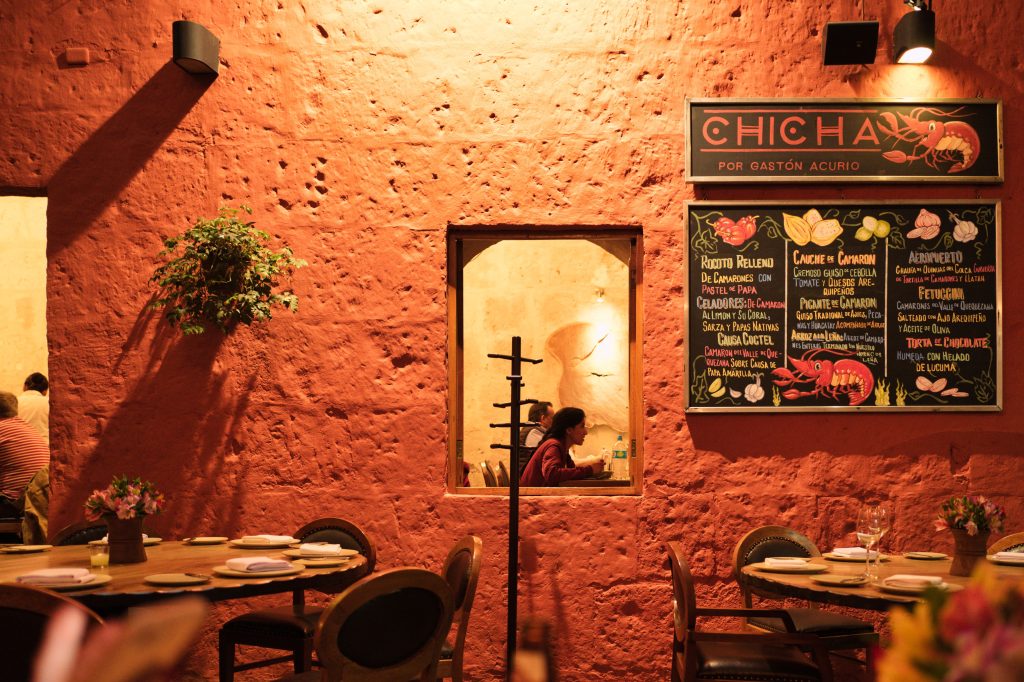
Local SEO for restaurants comes down to one question that most reporting quietly avoids: not “do we rank,” but “do we rank where the hungry people are standing.” A restaurant can sit at position one when the search happens at its own front door and be completely absent six blocks away — and six blocks
21
Aug
Aug
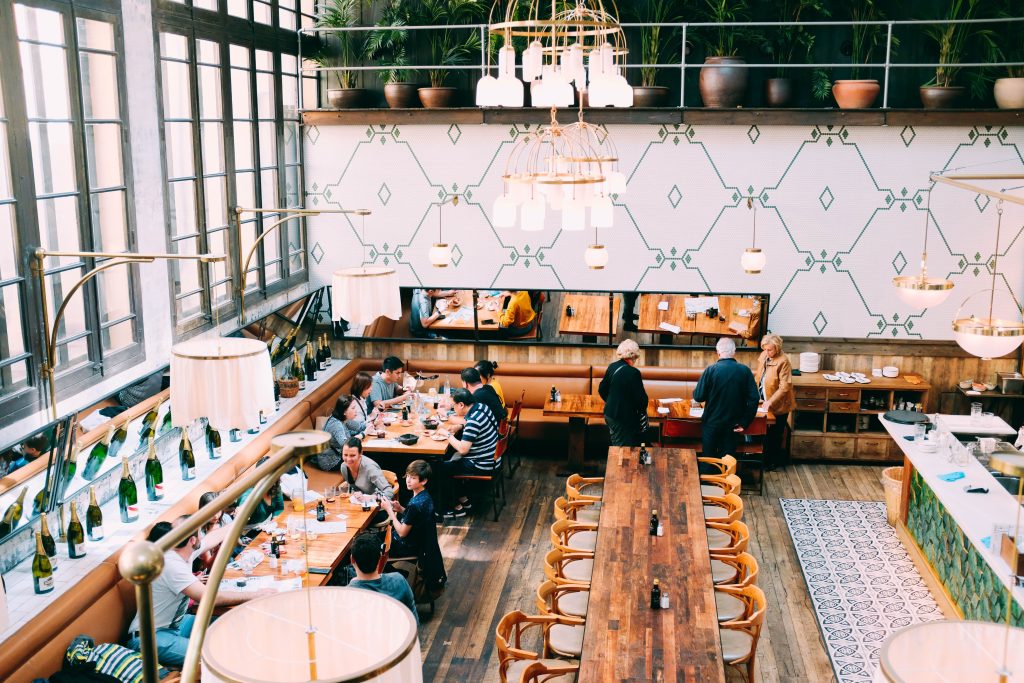
Restaurant SEO has changed more in the past eighteen months than in the previous five years combined. The fundamentals still hold — Google still weighs relevance, distance, and prominence — but the surface a guest actually sees has fragmented. A diner deciding where to eat tonight might never load a search results page at all.
14
Aug
Aug
Finding the right restaurant marketing consultant can be the difference between steady growth and stagnant sales. With so many agencies claiming to boost covers, catering, and events, restaurant owners need a clear framework for evaluating who actually delivers results. This guide breaks down what to look for, the questions to ask, and the red flags
07
Aug
Aug
Choosing a marketing agency for restaurant growth is one of the most important decisions a restaurant owner will make. The right partner can turn empty tables into full dining rooms, strengthen your online presence, and help you build a brand customers trust and remember. The wrong choice, however, can waste your budget on generic strategies
31
Jul
Jul
Most restaurant marketing isn’t a strategy at all — it’s a pile of disconnected tactics. A boosted post here, a discount there, a new logo, a burst of email when things get slow. Each move might feel productive, but without a plan tying them together, they rarely add up to more guests or more revenue.