
The vending machine industry is evolving faster than most people realize. What was once a purely mechanical, coin-operated convenience has transformed into a sophisticated, software-driven retail channel — and 2026 is shaping up to be the most significant year of that transformation yet.
From AI-powered inventory management and cashless payment ecosystems to hyper-personalized customer experiences and sustainability-first design, vending machine technology is redefining what automated retail can look like. For operators, manufacturers, and investors, staying ahead of these trends isn’t optional — it’s the difference between leading the market and being left behind by it.
This guide breaks down the key vending machine technology trends driving the industry forward in 2026, what they mean for your operation, and how to position your business to benefit from them.
Get Free Consultation
Key Takeaways
- Advanced software integration remains the single biggest driver of operational improvement in vending machine technology, enabling real-time inventory tracking, remote management, and data-driven decision-making at scale.
- Specialized vending machines — including mini units, gourmet food dispensers, and age-verified product machines — are expanding the market well beyond traditional snacks and beverages.
- Sustainability is no longer a differentiator; it’s an expectation. Energy-efficient designs, eco-friendly materials, and waste reduction strategies are becoming baseline requirements for new vending deployments.
- Personalization and smart device integration are transforming customer interaction, with AI-driven recommendations and mobile-first purchasing experiences now driving measurable lifts in transaction value.
- Emerging technologies — including machine learning, IoT connectivity, biometric verification, and blockchain transaction logging — are moving from pilot programs into mainstream vending machine technology deployments in 2026.
- Cybersecurity and regulatory compliance are the most underestimated challenges in modern vending, and operators who neglect them face significant exposure as machines become smarter and more data-rich.
- PrimiDigital’s smart vending solutions are built to help operators activate every one of these trends — with a platform designed for flexibility, scalability, and long-term competitive advantage.
Read more about our Smart Vending Solutions!
The State of Vending Machine Technology in 2026
Before diving into specific trends, it’s worth stepping back to understand the broader context driving change in the industry.
Consumer expectations have shifted dramatically. Shoppers now expect the same frictionless, personalized experience from a vending machine that they get from an e-commerce platform — fast, relevant, flexible in payment, and easy to navigate. At the same time, operators are under increasing pressure to improve margins, reduce service costs, and demonstrate sustainability credentials to landlords, employers, and end users.
Vending machine technology in 2026 sits at the intersection of these pressures. The machines themselves are becoming smarter, more connected, and more capable — but only operators who pair great hardware with great software will fully capture the value on offer.
Trend 1: Advanced Software Solutions Are Redefining How Vending Machines Operate
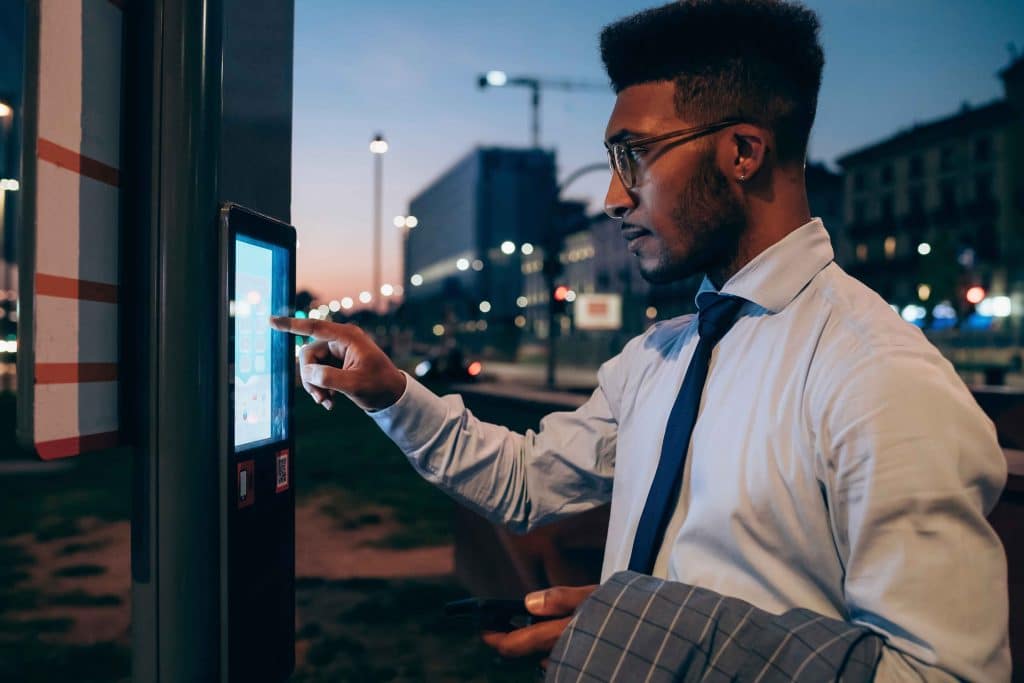
If there’s one trend that underpins every other development in vending machine technology right now, it’s the maturation of smart vending software. In 2026, software isn’t a bolt-on feature — it’s the core of what makes a modern vending operation competitive.
Smarter, More Intuitive User Interfaces
The customer-facing experience has improved dramatically thanks to advances in vending machine technology. Today’s machines feature high-resolution touchscreens, responsive navigation, and interface designs that genuinely guide users to the right product rather than overwhelming them with choices.
Key UI improvements now standard in leading vending machine technology deployments:
- Touchscreen interfaces optimized for speed and minimal friction
- Customizable product displays with clear imagery and pricing
- Nutritional and allergen information surfaced at the point of selection
- Promotional content and loyalty reward integration built directly into the screen experience
- Multilingual support for diverse customer populations
These aren’t cosmetic upgrades. Operators who have invested in better interface design consistently report higher average transaction values and stronger repeat usage rates.
Data Analytics and Reporting: From Reactive to Predictive
One of the most significant shifts in vending machine technology over the past two years has been the move from descriptive analytics (what happened) to predictive analytics (what’s going to happen). In 2026, the best vending management platforms are doing more than reporting on past sales — they’re anticipating future demand.
Practical applications of advanced analytics in current vending machine technology:
- Demand forecasting by location: Machines in office buildings, hospitals, schools, and transit hubs all have fundamentally different consumption patterns. Smart analytics account for this automatically.
- Seasonal and time-of-day pricing optimization: Dynamic pricing tools adjust product prices based on historical demand data without operator intervention.
- Shrinkage and waste detection: Analytics flag unusual inventory discrepancies that might indicate product waste, theft, or machine errors.
- Supply chain efficiency: Operators using data-driven restocking schedules are reducing unnecessary service visits by 20–30%, directly improving margins.
Remote Management: Running Your Fleet From Anywhere
Remote management capabilities have moved from a premium add-on to a baseline expectation in modern vending machine technology. In 2026, an operator who can’t monitor, diagnose, and adjust their machines remotely is at a structural disadvantage.
What remote management means in practice for today’s vending deployments:
- Real-time inventory monitoring with automated low-stock alerts before machines run empty
- Remote troubleshooting that resolves a significant percentage of machine issues without a technician visit
- Cashless transaction tracking that provides a complete, auditable record of every sale
- Energy consumption monitoring that identifies inefficient machines before they become a cost problem
- Over-the-air software updates that keep every machine on the latest platform version without manual intervention
PrimiDigital’s smart vending platform delivers all of these capabilities through a single operator dashboard — whether you’re managing five machines or five hundred.
Trend 2: The Rise of Specialized Vending Machines
The traditional snack-and-soda vending model is far from dead, but it’s sharing the floor with a rapidly expanding universe of specialized vending machine technology designed for specific products, audiences, and environments.
Mini Vending Machine Innovations
Compact vending units have become one of the fastest-growing segments in the industry. Their small footprint makes them viable in locations that couldn’t accommodate a full-size machine — hotel corridors, medical waiting rooms, co-working spaces, university dormitories — dramatically expanding the addressable market for vending operators.
What’s driving mini vending machine adoption in 2026:
- Contactless NFC payment built into even entry-level compact units
- Smart inventory management with supplier alerts triggered automatically when stock falls below threshold
- Energy-efficient operation that makes them viable in locations with limited power infrastructure
- Highly diverse product capability — from electronics accessories and personal care items to specialty health foods and pharmaceuticals
Drink and Snack Machine Evolution
Even the most traditional vending categories are being transformed by new vending machine technology. Modern drink and snack dispensers in 2026 bear little resemblance to their predecessors:
- Multi-temperature zones within a single machine allow hot, ambient, and chilled products to coexist
- Premium and artisan product ranges are appearing alongside traditional inventory, increasing average transaction value
- Cryptocurrency and digital wallet payments are becoming standard alongside card and contactless options
- Interactive product discovery features encourage upselling and cross-selling within the machine interface itself
Vape and Age-Restricted Product Vending
The expansion of vending machine technology into age-restricted product categories — most notably vaping supplies — has introduced both significant opportunity and meaningful regulatory complexity. Machines deployed in this category now routinely feature:
- Biometric or ID-based age verification that prevents underage access without requiring human oversight
- 24/7 availability that serves customers at times when staffed retail is closed
- Compliance logging that creates an auditable record of every age-verified transaction
- Diverse product inventory spanning devices, cartridges, and accessories from multiple brands
The regulatory landscape around these machines continues to evolve in 2026, and operators in this segment must prioritize compliance infrastructure as a core component of their vending machine technology stack.
Trend 3: Sustainability Is Now a Business Requirement, Not a Bonus
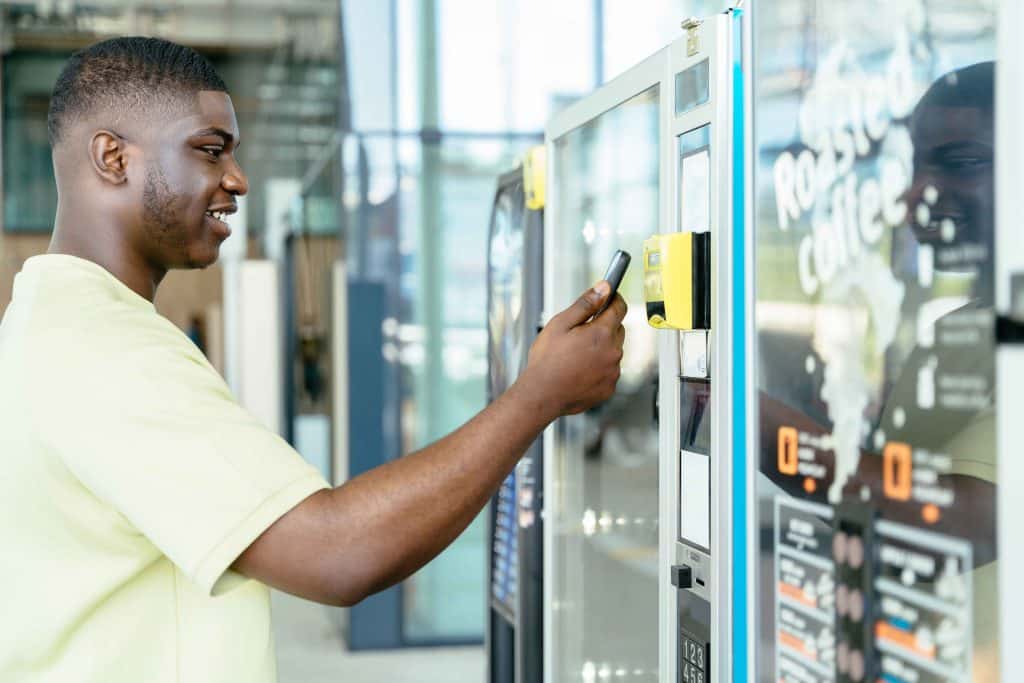
Environmental responsibility has moved firmly from corporate talking point to operational reality in the vending industry. In 2026, the sustainability credentials of your vending machine technology are increasingly a factor in site placement decisions, consumer preference, and regulatory compliance.
Eco-Friendly Materials and Machine Design
Vending machine manufacturers are making meaningful changes to the materials and construction of their hardware:
- Recycled metals and plastics are increasingly standard in machine casings, reducing dependency on virgin raw materials
- Biodegradable components — including corn-based bioplastics for selected internal parts — are replacing traditional petroleum-based materials
- Digital interfaces are replacing physical buttons, reducing per-machine component counts and material waste
- Non-toxic, water-based coatings and adhesives are reducing manufacturing emissions
These changes are also becoming a commercial differentiator. Increasingly, corporate clients and facility managers are factoring sustainability credentials into vending operator selection.
Energy Efficiency: The Numbers That Matter
Energy consumption is one of the most significant operating costs in a vending fleet — and one of the most actionable areas for improvement through modern vending machine technology.
| Energy-Saving Feature | Function | Operational Impact |
| Improved cabinet insulation | Reduces temperature fluctuation | Lowers compressor run time and energy draw |
| High-efficiency refrigeration systems | Cools products using less power | Reduces energy consumption by up to 40% vs. older units |
| LED lighting throughout | Replaces fluorescent cabin lighting | Decreases electricity usage significantly |
| Motion-activated display dimming | Reduces screen brightness between interactions | Cuts idle power consumption meaningfully |
| Smart energy monitoring | Tracks consumption by machine in real time | Enables targeted efficiency improvements |
Waste Reduction in Practice
Beyond hardware design, vending operators are deploying software-driven waste reduction strategies that directly improve margins:
- Predictive restocking eliminates the overstocking that leads to product expiration and write-offs
- In-machine recycling facilities encourage users to responsibly dispose of packaging at point of purchase
- Cashless system adoption reduces the administrative and physical waste associated with cash handling
- Biodegradable product packaging standards are being applied to an increasing share of vended inventory
Trend 4: Consumer Interaction and Personalization Are Reaching New Heights
The customer experience at a modern vending machine in 2026 is fundamentally different from what it was five years ago — and the gap is widening as personalization technology matures.
Touchscreen and Interface Enhancements
Display technology improvements have been one of the most visible advances in vending machine technology. In 2026, the standard has shifted considerably:
- High-resolution, glare-resistant screens that perform in direct sunlight and bright indoor environments
- Intelligent interfaces that remember purchase history and surface relevant suggestions on return visits
- Promotional and loyalty content delivered contextually rather than as static banners
- Accessibility features including larger text modes, audio assistance, and simplified navigation paths
Customized Vending Experiences Through AI
The integration of artificial intelligence into vending machine technology is enabling a level of personalization that was impractical just a few years ago. Machines are now capable of:
- Learning individual customer preferences over time and adjusting their product suggestions accordingly
- Presenting complementary product recommendations at checkout, increasing basket size
- Adjusting promotional content based on the time of day, day of week, or local event calendar
- Identifying declining product interest early, prompting operators to swap inventory before sales drop
This isn’t hypothetical — these capabilities are live in current-generation vending machine technology deployments and delivering measurable commercial results for operators who activate them.
Smart Device Integration: The Mobile-First Vending Experience
In 2026, the smartphone is increasingly the primary interface through which customers interact with vending machines — even before they approach the machine itself.
Smart device integration in modern vending machine technology enables:
- Mobile pre-ordering: Customers select and pay for products via app before arriving at the machine
- Contactless payment via digital wallet: Apple Pay, Google Pay, and branded loyalty apps are standard
- Real-time product availability: Customers can check what’s in stock at a specific machine before making the trip
- Personalized push notifications: Operators can communicate promotions and new products directly to opted-in users
- Machine health alerts for operators: Remote monitoring and management accessible from any mobile device
Trend 5: Emerging Technologies Moving Into Mainstream Deployment
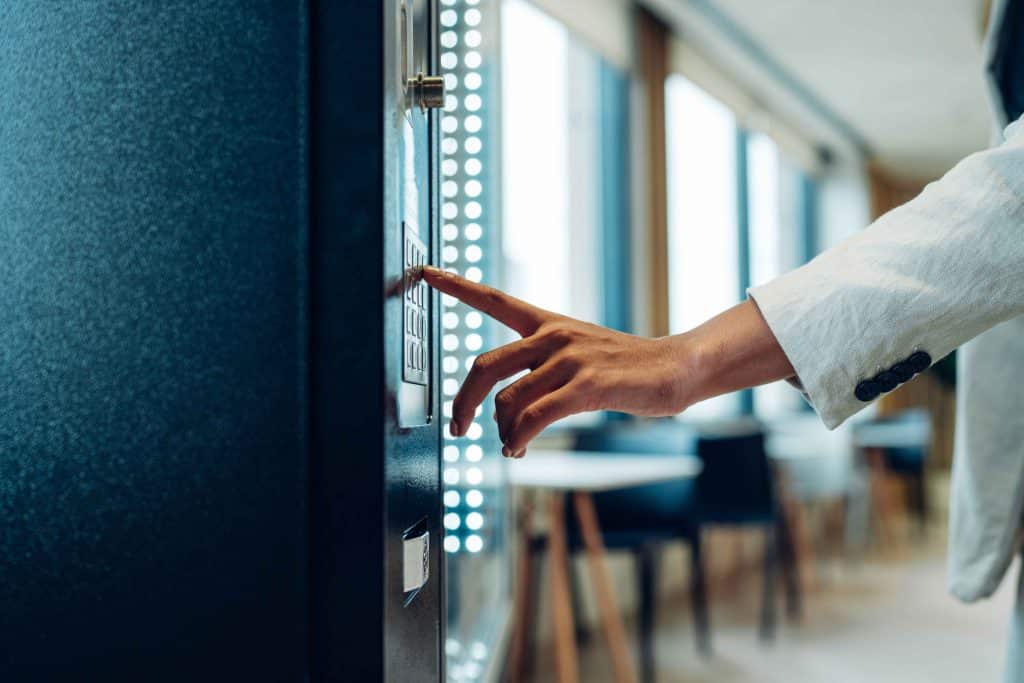
Several technologies that were in pilot or early adoption phases in 2024–2025 are now entering mainstream vending machine technology deployments in 2026.
Machine Learning for Demand Prediction: ML models trained on location-specific sales data are delivering meaningfully more accurate inventory forecasts than rule-based systems, reducing both waste and stockouts simultaneously.
IoT-Connected Fleet Management: Every machine in a well-deployed vending fleet now generates continuous operational data — temperature, power consumption, transaction volume, mechanical status — that flows into a centralized management platform in real time.
Biometric Authentication: Fingerprint and facial recognition are expanding beyond age-restricted categories into premium product vending and employee-benefit programs that require identity verification.
Blockchain Transaction Logging: Immutable transaction records are gaining traction in regulated product categories and high-value vending environments where auditability is a compliance requirement.
Trend 6: Cybersecurity and Compliance — The Most Underestimated Priority
As vending machine technology becomes smarter and more data-rich, it also becomes a more attractive target for cybersecurity threats. In 2026, security is not a feature — it’s a fundamental operating requirement.
Key challenges operators must address proactively:
- Data protection compliance: Smart vending machines collect payment data, behavioral data, and in some cases biometric data — all of which carry regulatory obligations under data privacy laws
- Hardware upgrade cycles: Older machines running outdated firmware represent security vulnerabilities that can compromise an entire connected fleet
- Network security protocols: Every machine connected to the internet is an endpoint that requires proper firewall configuration, encrypted communications, and access controls
- Consumer trust: A single publicized data breach can do lasting damage to an operator’s ability to place machines in desirable locations
PrimiDigital’s smart vending solutions include enhanced security modules as a standard component — not an optional add-on — because we understand that trust is the foundation every vending operation is built on.
Protect your vending technology from cyber threats. Read more!
Conclusion
Vending machine technology in 2026 is not a single innovation — it’s a convergence of software intelligence, hardware advancement, behavioral personalization, and sustainability commitment, all arriving at the same time. Operators who treat their vending machines as connected, data-generating retail assets will build businesses with stronger margins, better customer relationships, and more defensible competitive positions.
The opportunity is real, and it’s accessible right now. The question isn’t whether to adopt modern vending machine technology — it’s how quickly you can activate it across your operation.
PrimiDigital’s smart vending solutions are built to help you do exactly that — from initial deployment and software integration through ongoing optimization and fleet scaling.
Ready to modernize your vending operation? Contact PrimiDigital today for a free consultation and discover how our smart vending technology can position your business for 2026 and beyond.
Vending Solutions
With our smart vending solutions, grab-and-go shopping gets simpler, faster, and more personalized.
Open this in UX Builder to add and edit content
Frequently Asked Questions
What are the biggest vending machine technology trends in 2026?
The most significant trends are advanced software integration with real-time analytics, AI-powered personalization, smart device connectivity, sustainability-first hardware design, and the expansion of specialized vending into new product categories and locations.
How is AI being used in vending machine technology?
AI is being applied to demand forecasting, personalized product recommendations, dynamic pricing, and predictive maintenance — enabling vending operators to make smarter decisions with less manual effort.
What role does sustainability play in modern vending machine technology?
Sustainability influences hardware design (eco-friendly materials, energy-efficient components), software-driven operations (predictive restocking to reduce waste), and commercial positioning, as operators increasingly need to demonstrate environmental credentials to win premium placement locations.
How do smart devices integrate with vending machine technology?
Modern vending machines connect with smartphones through contactless payment systems, branded apps, mobile pre-ordering, and real-time inventory visibility — making the smartphone the primary interface for a growing share of vending interactions.
What cybersecurity risks should vending operators be aware of in 2026?
Connected vending machines face risks including payment data interception, unauthorized remote access, and firmware vulnerabilities. Operators should prioritize encrypted communications, regular software updates, and access control as baseline security measures.
How can PrimiDigital help operators take advantage of these trends?
PrimiDigital’s smart vending platform provides the software infrastructure, analytics tools, custom UI capabilities, and security framework operators need to deploy modern vending machine technology confidently and at scale.