
There’s something almost hypnotic about a fully stocked vending machine — the hum of the compressor, the glow of the display, rows of snacks and drinks waiting for a coin or a tap. It’s such a familiar fixture in office breakrooms, gyms, apartment lobbies, and laundromats that most people never stop to ask what one actually costs to own.
That question turns out to have a much more interesting answer than a single price tag. The average vending machine cost depends on machine type, size, technology, and whether you’re buying new or used — and the gap between a basic refurbished snack machine and a fully loaded smart vending unit can run into the tens of thousands of dollars. At PrimiDigital, we work with retail and hospitality clients across the region who are weighing exactly this decision, and the same questions come up again and again: How much should I really budget? Where does the money actually go after the purchase? And is a smart machine worth the extra cost?
This guide breaks down everything — upfront pricing, hidden fees, ongoing operating costs, financing routes, and the real return on investment you can expect — so you can budget with confidence instead of guesswork.
Get Free Consultation
Key Takeaways
- New vending machines typically cost $2,500 to $10,000, with smart, touchscreen-enabled models running $6,000 to $12,000 or more.
- Used and refurbished machines are the most budget-friendly entry point, generally priced between $1,200 and $3,000.
- Specialty machines — frozen food, fresh food, micro-markets, or interactive/experiential units — can climb to $15,000–$30,000+.
- Beyond the purchase price, operators should budget roughly $50 to $150 per machine per month for restocking, electricity, card processing, and routine maintenance.
- Cashless payment technology isn’t just a nice-to-have anymore — it’s directly tied to higher sales, since cashless transactions now make up the majority of vending purchases.
- Financing and leasing options (equipment loans, lease-to-own programs, business lines of credit) make it possible to start a vending business without paying the full average vending machine cost upfront.
- Profitability comes down to location quality far more than machine specs — a $10,000 smart machine in a low-traffic spot will underperform a $3,000 machine in a high-traffic breakroom.
Read more about our Smart Vending Solutions!
Understanding Vending Machine Pricing in 2026
Ask “what’s the average vending machine cost?” and you’ll get a different number depending on who you ask — because there genuinely isn’t one fixed answer. The market spans everything from $200 secondhand gumball machines to $30,000 IoT-connected smart vendors with facial-recognition payment and live inventory dashboards.
What drives that spread? A handful of consistent factors:
- Type of machine. Snack machines, drink machines, combo units, and specialty machines (frozen food, fresh food, coffee) all carry different price points because of the hardware they require.
- Size and capacity. A compact 20-selection snack machine costs far less than a high-capacity unit designed for a 200-person office floor.
- Technology level. Touchscreens, cashless payment terminals, remote telemetry, and security features all add to the sticker price — but they also tend to pay for themselves through higher sales and lower labor costs.
- New vs. used. Refurbished machines can shave 40–60% off the upfront cost, though they sometimes carry higher repair costs down the line.
- Refrigeration and cooling. Anything that needs to keep products cold — drinks, fresh food, dairy — costs more to manufacture and run than a simple ambient-temperature snack cabinet.
Knowing how these variables interact is the first step toward an accurate budget — and it’s also the foundation for everything else in this guide.ments.

Average Vending Machine Cost by Type
Here’s where the numbers get concrete. Based on current 2026 market pricing across major vending equipment suppliers, here’s what you can expect to pay for different machine categories.
| Machine Type | New | Used/Refurbished |
| Basic snack machine | $3,000 – $5,000 | $1,200 – $2,500 |
| Drink (cold beverage) machine | $4,000 – $6,000 | $1,500 – $3,000 |
| Combo snack & drink machine | $3,000 – $5,500 | $1,500 – $3,500 |
| Smart machine (touchscreen, cashless, telemetry) | $6,000 – $12,000+ | $3,000 – $6,000 |
| Specialty (frozen, fresh food, coffee) | $5,000 – $20,000+ | Varies widely |
| Micro-market setup | $15,000 – $50,000 | N/A |
| Bulk/novelty machines (gumballs, toys) | $50 – $200 | — |
Why Smart Vending Machines Cost More — and Often Earn More
Smart vending machines sit at the top of the price range for good reason: they’re built around an entirely different feature set than a traditional coin-and-bill machine. Touchscreen interfaces, contactless and mobile payment (Apple Pay, Google Pay, tap-to-pay cards), real-time inventory tracking, and remote diagnostics all add to the manufacturing cost.
But that premium isn’t purely a luxury upgrade. Cashless payments now account for the majority of vending transactions, and the average cashless purchase tends to run noticeably higher than the average cash purchase — simply because people spend more freely when they’re not counting coins. Add in the operational savings from remote telemetry (you know exactly which machine needs restocking before you drive out there) and the math starts to favor smart machines for operators running multiple locations.
The trade-off, as always, is upfront capital. A traditional machine is cheaper to acquire but tends to cost more in labor and missed sales over time. A smart machine costs more on day one but is typically less expensive to operate per dollar of revenue generated.
| Traditional Vending Machine | Smart Vending Machine | |
| Initial Cost | Lower | Higher |
| Maintenance Cost | Higher (manual checks) | Lower (remote diagnostics) |
| Payment Methods | Cash-based | Cashless, mobile, contactless |
| Features | Basic dispensing | Touchscreen, analytics, telemetry |
| Best For | Tight budgets, simple locations | High-traffic, multi-location operators |
Initial Costs of Buying a Vending Machine
The purchase price is just the headline number. To get a realistic average vending machine cost, you need to account for everything that happens between “I bought a machine” and “the machine is making sales.”
Upfront Investment
The purchase itself remains the single largest cost most operators face. Here’s a more granular breakdown based on current market conditions:
- Used/refurbished machines: $1,200 – $3,000, depending on age, brand, and condition.
- Low-end new machines: $2,500 – $5,000 for basic snack or drink units.
- Mid-range new machines: $5,000 – $8,000 for combo units with moderate technology.
- High-end smart machines: $8,000 – $20,000+ for full touchscreen, cashless, and telemetry-enabled units.
- Specialty machines (pizza vendors, fresh food assemblers, coffee machines): $10,000 – $30,000+.
- Bulk/novelty machines: $50 – $200 for simple gumball or toy dispensers.
If you’re buying used, inspect the compressor (for refrigerated units), the bill validator, and the coin mechanism carefully — these are the components most likely to need early repair, and replacement parts can eat into any savings from a lower purchase price.
Installation and Setup Fees
Once the machine arrives, getting it operational involves its own set of costs. Delivery and placement fees typically range from $100 to $600 depending on distance and accessibility — a machine going into a third-floor office with no loading dock will cost more to install than one rolling straight into a ground-floor breakroom.
Setup also includes configuring pricing tiers, programming the payment system, connecting to Wi-Fi for telemetry-enabled machines, and an initial software update. Many vendors fold a basic setup fee into the purchase price, but it’s worth confirming this in writing before you commit — some suppliers charge separately for anything beyond a bare-bones drop-off.
Additional Equipment and Accessories
A handful of components are easy to overlook when budgeting, but they’re essential for day-one operation:
- Coin mechanisms and bill validators — Modern validators that can detect counterfeit currency cost more but reduce fraud losses significantly.
- Cashless payment readers — Increasingly considered standard rather than optional, given how much of today’s vending revenue comes through tap-to-pay.
- Security locks — High-quality locks are a small expense relative to what they protect against; vandalism and theft are real risks in unattended locations.
- Product-specific dispensers — Snack coils, drink shelving, and frozen-food carousels are not interchangeable, so confirm your machine is configured for the product mix you intend to sell.
- Refrigeration units — Non-negotiable for any machine selling drinks, dairy, or perishable snacks.
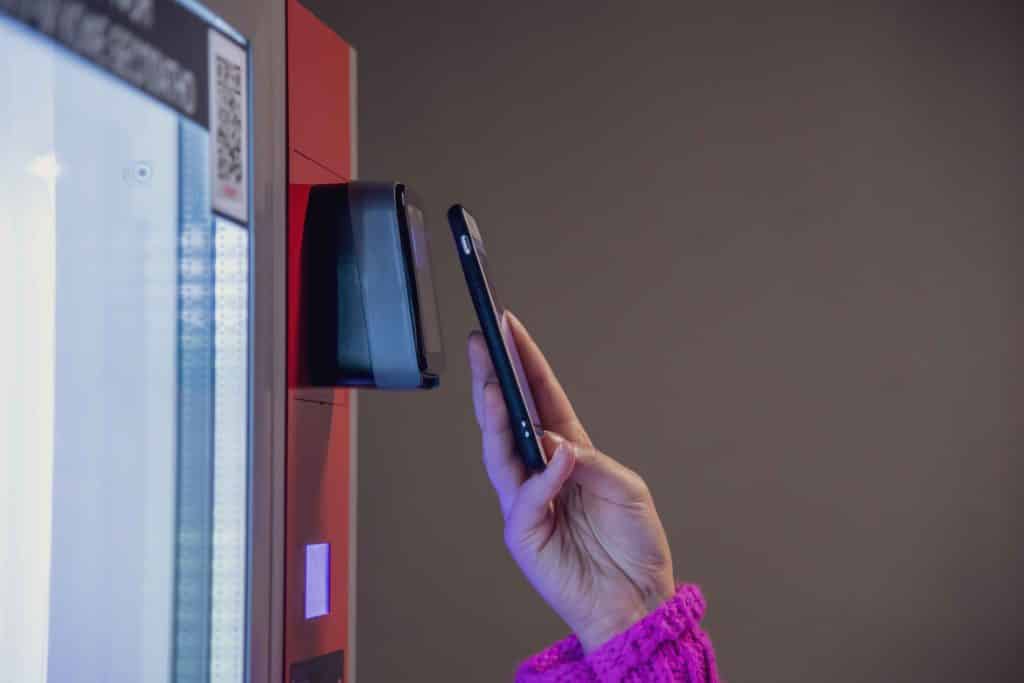
Ongoing Operational Expenses
This is the part of the average vending machine cost equation that catches new operators off guard. The purchase price gets all the attention, but the recurring costs are what determine whether a machine is actually profitable.
Industry data suggests operators should budget roughly $50 to $150 per machine, per month, to cover restocking, electricity, card-processing fees, and routine maintenance. That might sound modest, but across a route of five or ten machines, it adds up to a meaningful monthly expense that needs to be factored into your pricing and profit projections from day one.
Maintenance Costs
Routine maintenance keeps a machine running reliably and keeps small problems from becoming expensive ones. The core categories include:
- Repairs — Mechanical wear, jammed coils, and the occasional vandalism incident are simply part of the business.
- Cleaning — Regular cleaning protects both hygiene and the machine’s appearance, which directly affects how inviting it looks to customers.
- Electricity — Refrigerated machines, in particular, run compressors continuously and show up clearly on a location’s utility bill.
- Software and firmware updates — Smart machines need periodic updates to keep payment systems secure and telemetry accurate.
Inventory and Stocking Costs
Initial product inventory typically runs $300 to $800 per machine, depending on size and product mix, with ongoing restocking as your largest recurring expense. Beverages and packaged snacks are generally the cheapest products to stock; fresh food, specialty items, and anything perishable cost more and carry the added risk of spoilage if a machine isn’t selling through fast enough.
Smart inventory management — knowing exactly what’s selling and what’s sitting — is one of the clearest advantages of telemetry-enabled machines. Rather than guessing which products to restock on a route visit, operators can see real sales data and adjust their mix accordingly, cutting down on wasted trips and unsold stock.
Utility and Location Expenses
Electricity is the most obvious utility cost, and it scales with machine size, refrigeration needs, and how heavily the machine is used. Water matters too, for any machine dispensing items that require it. On top of utilities, many placement agreements include a location commission — a percentage of sales or a flat fee paid to the property owner for hosting the machine — which should be built into your profit calculations rather than treated as an afterthought.
Cost-Efficiency of Smart Vending Solutions
It’s worth dwelling on smart vending machines a bit longer, because they represent the clearest trend shaping the average vending machine cost conversation in 2026.
Return on Investment
A well-placed smart machine tends to outperform a traditional machine on several fronts simultaneously:
- Higher transaction values — Cashless purchases consistently run higher than cash purchases, partly because contactless payment removes the friction of digging for change.
- Less downtime — Real-time inventory alerts mean a machine rarely sits empty for days before someone notices.
- Better customer experience — Touchscreens and a wider visible product selection tend to draw repeat business.
- Data-driven decisions — Sales analytics let operators identify which products to drop, which to double down on, and which locations are worth expanding.
Reducing Operational Costs Through Automation
Automation doesn’t just improve the customer-facing experience — it cuts the operator’s workload. Remote monitoring reduces the number of “just checking” visits a route driver has to make, and automated low-stock alerts mean restocking trips are planned rather than reactive.
| Cost Category | Traditional Machines | Smart/Automated Machines |
| Labor (route visits) | Higher — frequent manual checks | Lower — visits triggered by alerts |
| Inventory management | Manual tracking, more guesswork | Real-time data, less waste |
| Maintenance | Reactive | Often proactive, remote diagnostics |
The Role of Mobile Integration
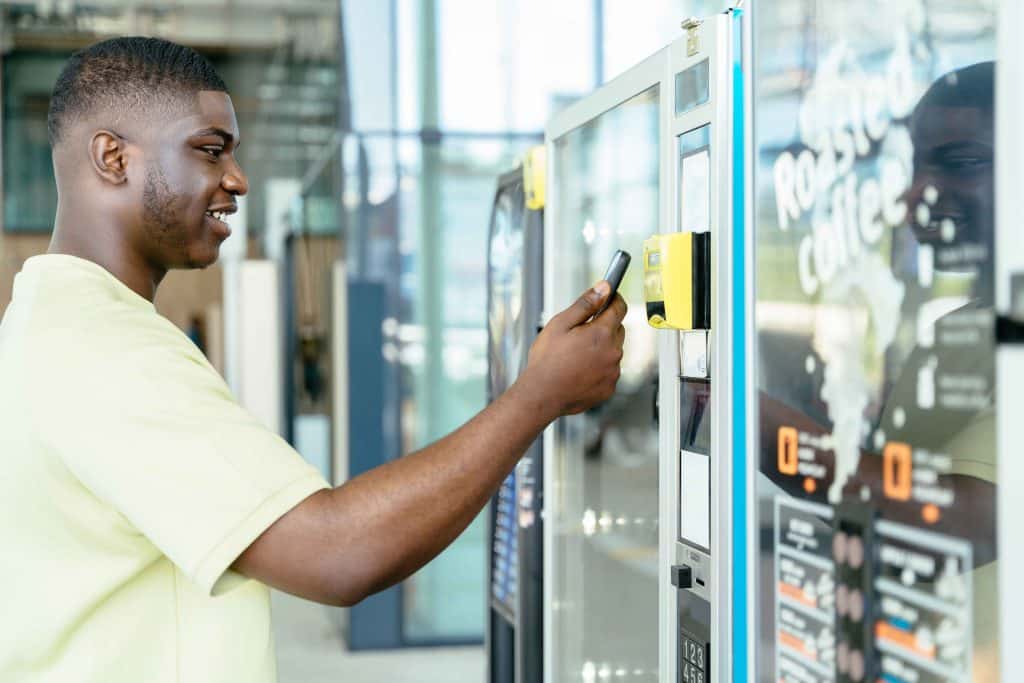
Mobile-enabled vending — think tap-to-pay, branded apps, and loyalty integrations — has moved from novelty to expectation. For operators, the benefits show up as faster transactions, better inventory visibility, and lower long-term maintenance costs, since fewer mechanical coin and bill systems are doing the heavy lifting.
Financial Planning and Budgeting for a Vending Machine Investment
Once you understand the typical average vending machine cost across categories, the next step is mapping out how you’ll actually fund and structure the purchase.
Budgeting for Your Purchase
A realistic first-machine budget should account for more than the sticker price:
- Machine purchase: $2,500 – $10,000 for most new traditional or mid-tier smart machines.
- Installation and delivery: $100 – $600.
- Initial inventory: $300 – $800.
- Monthly operating reserve: $50 – $150 per machine for the first few months, before sales data lets you fine-tune restocking frequency.
Financing Options
Few first-time operators pay the full average vending machine cost in cash, and there’s no need to. Several financing structures are common in 2026:
- Equipment financing. The machine itself serves as collateral, which often means easier approval and better rates than an unsecured loan. Terms commonly run 24–72 months, and you own the machine outright once it’s paid off.
- Equipment leasing / lease-to-own. Lower monthly payments than financing, useful if you want to preserve cash or upgrade equipment more frequently. Many lease-to-own programs include a buyout option at the end of the term.
- Business lines of credit. Better suited to ongoing working capital — inventory, repairs, route expansion — than to financing the machine itself, but useful once you have at least one machine generating revenue.
- Self-financing. Full ownership and no interest, but it ties up more of your own capital upfront.
| Financing Option | Pros | Cons |
| Self-Financing | No interest, full control | High upfront cash outlay |
| Equipment Loan | Builds equity, often lower rates | Requires decent credit, longer approval |
| Equipment Leasing | Lower monthly payments, flexible | Ongoing payments, possibly higher total cost |
| Business Line of Credit | Flexible, interest only on what you draw | Best for working capital, not ideal for the initial machine purchase |
Calculating Your Break-Even Point
Knowing when a machine will pay for itself is one of the most useful numbers you can calculate before you buy. The process is straightforward:
- Total your fixed costs — primarily the machine purchase price plus installation.
- Estimate your variable costs — inventory, restocking trips, card-processing fees, electricity.
- Calculate your contribution margin — the selling price of each item minus its variable cost.
- Divide fixed costs by your contribution margin to find your break-even point in units sold.
In practical terms, a decent-performing machine in a solid location can generate $100 to $300 in gross weekly sales, while a machine in an exceptional spot — a hospital, a 24-hour facility, a large apartment complex — can clear $500 or more per week. A machine in a weak location, by contrast, might generate as little as $50 a week, which often isn’t enough to justify the cost of servicing it. This is exactly why location scouting deserves as much attention as machine selection: even the best smart machine underperforms in the wrong spot.
Protect your vending technology from cyber threats. Read more!Choosing the Right Vending Partner
This is where working with an experienced vending technology partner — rather than buying blind off a marketplace listing — tends to pay for itself. At PrimiDigital, our smart vending solutions are built around the features that actually move the needle on the numbers above: contactless and touchless transactions, digital signage for on-machine promotions, real-time reporting and alerts, remote telemetry, and enhanced security modules that protect both your revenue and your customers’ payment data. A custom UI lets the machine reflect your brand rather than looking like generic hardware, which matters more than people expect in lobbies, gyms, and other brand-conscious environments.
If you’re evaluating whether a smart upgrade is worth the additional average vending machine cost for your specific locations, that’s exactly the kind of conversation our team has every week — feel free to reach out for a free consultation before you commit to a purchase.
Conclusion
There’s no single number that answers “what’s the average vending machine cost” — and that’s actually good news, because it means there’s a realistic entry point for almost any budget, from a $1,200 refurbished snack machine to a $20,000 smart unit with full telemetry and cashless payment. The key is budgeting for the whole picture: purchase price, installation, inventory, and the steady monthly costs of keeping a machine stocked, clean, and running.
If you’re weighing a new vending purchase, an upgrade to smart technology, or simply want a clearer sense of what return you can realistically expect from a given location, PrimiDigital is happy to walk through the numbers with you. Get in touch for a free consultation, or explore our smart vending solutions to see how contactless payment, digital signage, and real-time reporting can change the math on your next machine.
Vending Solutions
With our smart vending solutions, grab-and-go shopping gets simpler, faster, and more personalized.
Open this in UX Builder to add and edit content
Frequently Asked Questions
What Are the Legal Considerations When Installing a Vending Machine?
Before placing a machine, check local zoning regulations, health department requirements (especially for food and beverage machines), and confirm you have the appropriate business licensing. Machines in public-facing spaces also need to comply with Americans with Disabilities Act accessibility standards.
How can I better market my vending machine to increase sales?
Location is everything — high-traffic, high-dwell-time spots (breakrooms, waiting areas, gyms) consistently outperform low-traffic corners. Beyond placement, stocking recognizable, in-demand products and using clear signage or digital displays to highlight promotions both help drive incremental sales.
How Do I Choose the Right Products to Stock in My Vending Machine?
Study your specific location’s demographics and habits before finalizing a product mix. An office breakroom audience behaves very differently from a gym or an apartment lobby. Real-time sales data from a smart machine makes this process much faster after the first few weeks of operation.
What Are the Maintenance Requirements for Different Types of Vending Machines?
All machines need routine cleaning, restocking, and periodic technical checks, but refrigerated and specialty machines (frozen food, fresh food, coffee) require more frequent attention to compressors, seals, and perishable inventory rotation than a basic snack machine does.
Can Vending Machines Be Franchised and How Does This Affect the Cost?
Yes — vending franchises typically bundle equipment, product supply agreements, and ongoing operational support into the cost. This usually means a higher upfront investment than buying independently, but it offers a more turnkey path into the business with built-in guidance.